

Resources
Healing begins with connection, and support begins with access. Our resources provide survivors, caregivers, and community members with clear information, practical tools, and compassionate guidance to stay informed, stay safe, and support one another.
What is Child Abuse?
Child abuse is defined as any act or failure to act by a parent, caregiver, or another person in a custodial role that results in harm, potential harm, or threat of harm to a child. This includes actions that cause physical injury, emotional distress, or sexual exploitation.
Types of Child Abuse:
Physical Abuse
Sexual Abuse
Emotional Abuse
Medical Abuse
Neglect
Child Trafficking
Physical Signs of Child Abuse:
Looking unclean
Unexplained bruises, welts, sores, and/or skin problems that don’t seem to heal
Untreated medical or dental problems
Pain in the genital area
Emotional Signs of Child Abuse:
Fear of one or both parents or caregivers (this can include babysitters, daycare workers, teachers, coaches, etc.)
Fear of going home
Crying often
Being seen in places that seem inappropriate for children to be in
Regression (returning to behaviors typical of younger children like bedwetting, disrupted sleep patterns, decreased independence, language regression, etc.)
Behavioral Signs of Child Abuse:
Acting different than other children their age, especially if it’s a sudden change in behavior
Frequent absences from school
Withdrawing from family and friends
Lack of personal hygiene
Trouble learning and paying attention in class
Exhibiting unusual sexual behaviors
Signs of Child Abuse Specific to Teens:
Unusual weight gain or weight loss
Unhealthy and/or unusual eating patterns
A sudden loss of appetite or excessive eating
Signs of physical abuse, such as bruises or unexplained marks
Sexually transmitted diseases or infections
Signs of depression or being withdrawn
Sudden bursts of anxiety or worry
Sudden changes in schoolwork (i.e. failing grades or a lack of trying)
Changes in self-care, such as paying less attention to hygiene, appearance, or fashion than they usually do (wanting to appear less attractive)
Self-harming behavior
Expressing thoughts of suicide or suicidal behavior
Drinking or drug use
Signs a Child May Be Being Groomed:
Use of inappropriate pet names (i.e. mami, baby, babygirl, etc.) by adults
Inappropriate touching (this could start with touches that may seem harmless but evolve into touches in the bathing suit areas)
Spending alone time with adults in a position of authority
Sharing personal information with adults (i.e. social media accounts, phone numbers, address, etc.)
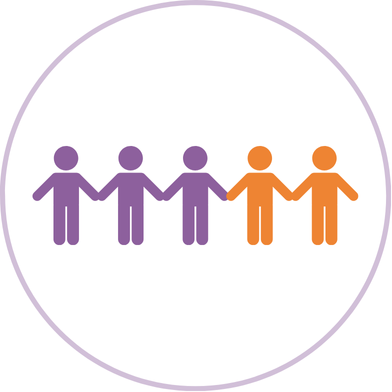
3 out of 5 kids will never tell anyone they have been abused.
*Stop It Now, Helpline Report 2019
98% of children who have been sexually abused were abused by someone they knew and trusted.
*Children's Advocacy Centers of TexasResources
FAQs
-
If you suspect a child is being abused, it is important to make a report as soon as possible. In the state of Texas, anyone over the age of 18 is a mandated reporter, meaning you are legally required to make a report when you have reasonable cause to believe that a child may be experiencing abuse or neglect.
You are not responsible for investigating or confirming what happened. Do not question the child or attempt to gather evidence. Instead, share what you know or what caused your concern. The Department of Family & Protective Services (DFPS) and law enforcement are responsible for conducting the investigation and determining next steps.
Reports can be made to the Texas Abuse Hotline at 1-800-252-5400 or online at TexasAbuseHotline.org. Your report could play a crucial role in protecting a child’s safety and well-being.
-
When you make a report of suspected child abuse, the information is sent to the Texas Department of Family & Protective Services (DFPS) for review. A trained screener assesses the details to determine the appropriate response. If the report meets the legal criteria for investigation, DFPS will assign it to a caseworker who will follow up, which may include interviewing the child, caregivers, or others involved to ensure the child’s safety.
If law enforcement needs to be involved, DFPS will coordinate with local police as part of the investigation. When a child in Midland or the surrounding area is involved, DFPS or law enforcement may refer the family to the Midland Rape Crisis and Children’s Advocacy Center for a forensic interview, advocacy, and support services.
Throughout this process, the goal is to ensure the child’s safety, provide resources to the family, and gather accurate information in a child-centered, trauma-informed way. Your report plays an important role in helping protect children in our community.
-
No. As of September 1, 2023, by virtue of House Bill 63, reports to the Texas Department of Family & Protective Services must include the reporter’s name and contact information. This change was made to help reduce the number of vindictive or unfounded child abuse reports. While you cannot report anonymously, your identity remains confidential, and your information is not disclosed to the family involved. It’s only used to facilitate a proper investigation to ensure the safety of the child.
-
No. All services provided by the Midland Rape Crisis and Children’s Advocacy Center are offered at no cost to clients. As a nonprofit organization, we are committed to ensuring that children, survivors, and families receive the support, advocacy, and care they need without any financial burden. Our goal is to remove every possible barrier to healing and safety.
-
If a child tells you they are being abused, it is important to respond in a way that protects their safety and supports the integrity of any future investigation.
Do:
Remain calm and composed
Believe the child
Allow the child to speak without interruption
Reassure and support the child
Take action by reporting the abuse to the Texas Department of Family & Protective Services and local law enforcement. This could save a child’s life
Don’t:
Panic or overreact
Press the child to talk or provide details
Promise anything you cannot control
Confront the alleged offender
Blame or minimize the child’s feelings
Overwhelm the child with questions
Attempt to investigate the situation yourself
Maintaining these boundaries is crucial. Interfering with the investigation could unintentionally compromise the case, preventing the child from receiving the justice and protection they deserve. Your role is to provide support and ensure that the proper authorities are notified so trained professionals can handle the situation safely.